The Ballet of Branding vs Marketing: What Is the Difference?
Julio Arango · 8 min read · Updated August 2026

In a pas de deux, one dancer leaps and the other catches. Neither works alone, and the audience only sees whether the timing held. Brand and marketing work the same way, and the two subjects overlap enough that the terms are often used interchangeably by people who should know better.
They are not the same thing. Branding is the process of deciding who you are. Marketing is how you communicate it. Understanding the difference between branding and marketing is what stops a business from spending well on campaigns that leave no trace.
What Is Branding?
Branding is the work of defining what your business stands for and making that consistent everywhere people meet you. It covers your core values, your brand positioning, your promise, your name, your visual identity and your brand voice.
Branding is slow and cumulative. It has no campaign end date and no single number that proves it worked. What a brand produces is recognition, trust and loyalty: an emotional connection strong enough that people choose you before comparing prices.
Branding creates the reason someone would prefer you. It answers "who are you and why should I care" before anyone asks it out loud, and a successful business usually has that answer written down.
What Is Marketing?
Marketing is the set of activities that put your business in front of the right people and move them toward buying your products or services. Content marketing, email, search, paid ads, events, outreach, social media.
It is measurable and time-bound. A marketing campaign has a start, a budget, a channel and a result you can count. Marketing efforts create demand and capture it, which is how brand awareness turns into revenue. Good marketing gets attention. It cannot decide what that attention finds when it arrives.
The Key Differences
- The question each answers. Branding asks who we are. Marketing asks how we reach them.
- Time horizon. Branding works in years. Marketing works in weeks and months.
- How you measure it. Branding shows up as recognition, trust and preference. Marketing shows up as traffic, leads and sales.
- How often it changes. Branding rarely. Marketing constantly.
The clearest way to hold the two apart: branding defines the message and marketing distributes it. Branding builds the asset and marketing puts it to work. That is the difference between marketing and the strategy behind it.
Marketing without branding produces activity that does not accumulate. Every campaign starts from zero because nothing about the previous one stuck. Branding without marketing produces a well-considered identity nobody has seen. Both are expensive in different ways.
What Comes First, Branding or Marketing?
Branding should always come first, and the reason is practical rather than philosophical. Every later decision inherits it. Your ad copy, your landing page, your email tone and your content calendar all need to know what the brand claims to be.
That does not mean spending six months on a brand before touching a channel. It means answering four questions before you spend: who this is for, what you do, why you rather than the alternative, and what you want people to feel. Those answers fit on one page, and that page is what makes the right marketing possible.
Businesses that skip the page usually discover the gap later, when a campaign performs and the leads turn out to be the wrong ones. Differentiation is decided on that page, not in the ad account.
How Branding and Marketing Work Together
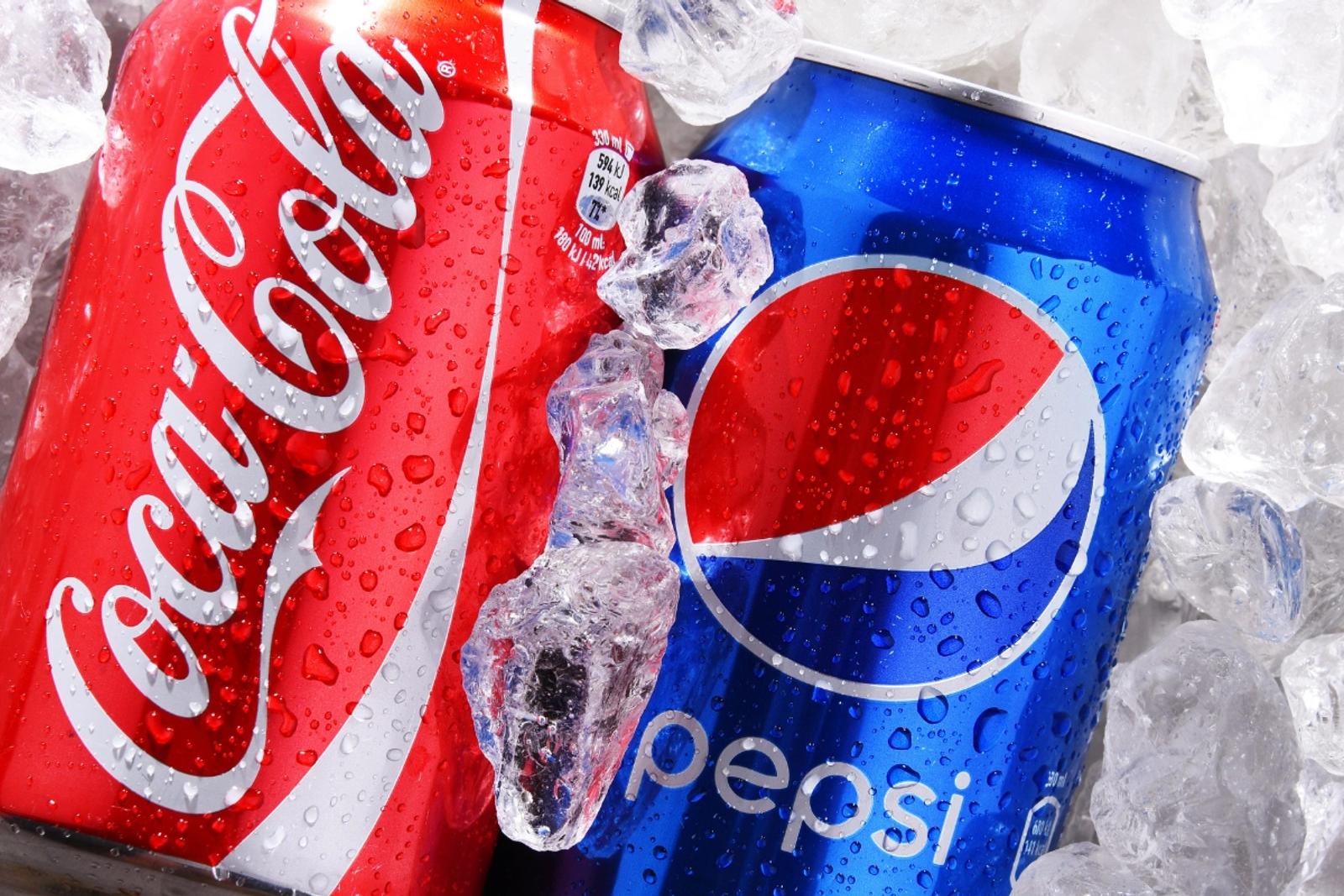
Coca-Cola and Pepsi sell nearly the same product and have spent decades proving this point.
Coca-Cola is built on nostalgia, tradition and shared moments, and its promotion almost never leaves that territory: family, holidays, small human scenes. Pepsi positions itself as younger and more current, and leans on pop culture and celebrity accordingly.
Both work. What makes them work is not the size of the budget but the agreement between what each brand claims and what its advertising says. Change the brand and every campaign has to be re-argued. A strong brand makes promoting your business cheaper, because the argument is already made.
"A brand is a person's gut feeling about a product, service, or company. Because it depends on others for its existence, it must become a guarantee of trustworthy behavior." Marty Neumeier, branding expert and author of "The Brand Gap."
The failure mode is a mismatch. When tactics overshadow brand identity, you get a business that looks different in every channel and memorable in none. Tactics should change constantly. What they express should not. Our guide to brand consistency covers how to keep that agreement in place as you grow.
Building a Brand Strategy
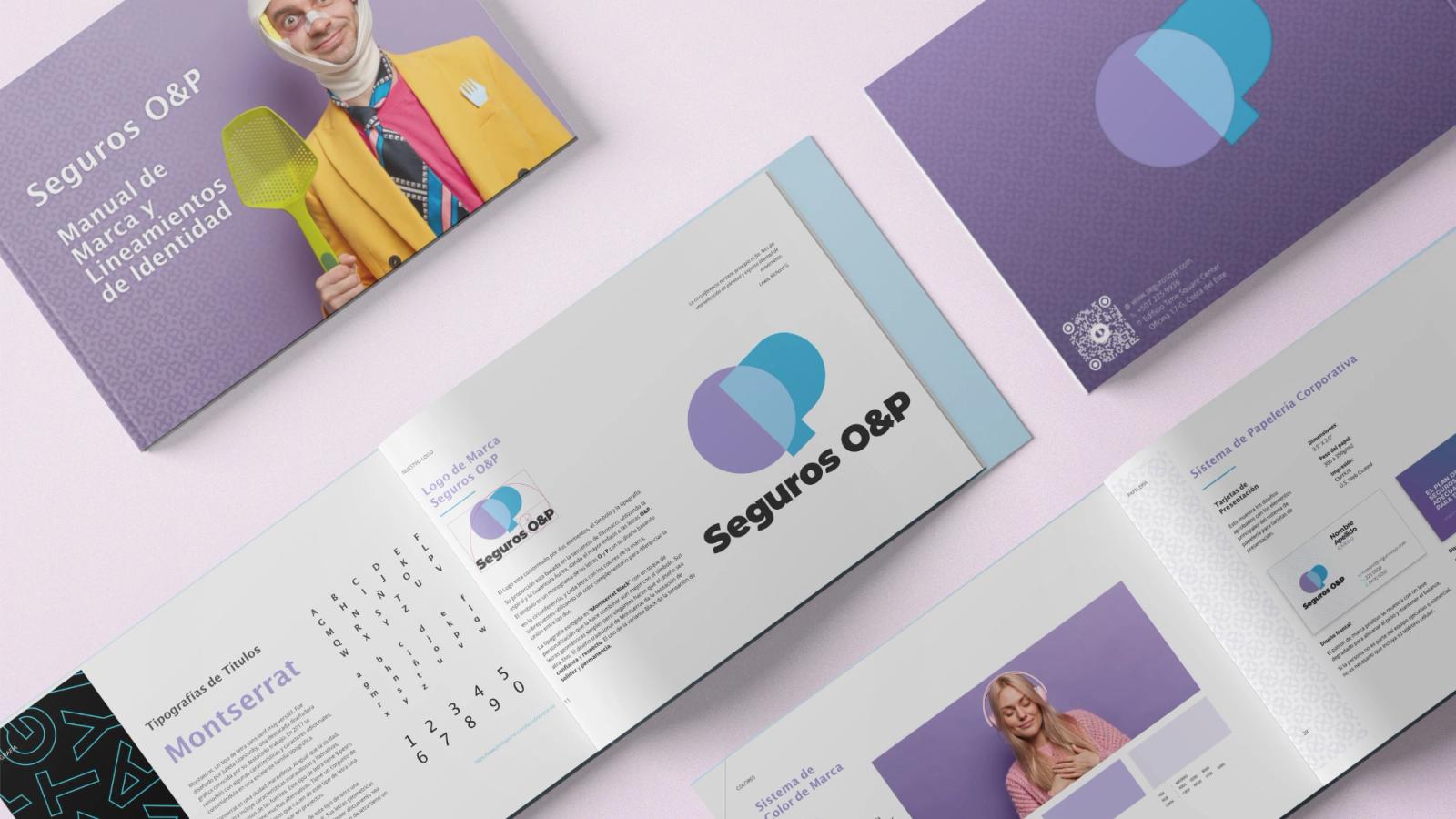
A brand strategy is the document every campaign reads from. Five parts do most of the work, and together they build a brand rather than decorate one.
- Purpose. Why the business exists beyond profit, and what it solves.
- Target audience. Who they are, what they need, and what makes them choose one provider over another.
- Positioning. Where you sit relative to competitors, and what makes you the specific choice.
- Verbal identity. Your voice, tone and the way you describe the work, consistent across all touchpoints.
- Visual identity. Logo, color palette, typography and imagery, built as a system.
Our guide to brand identity works through brand design in detail, and if you already have a brand, a brand audit will show you where it has drifted.
Marketing Methods That Fit Your Brand
"Marketing is the process of connecting people with ideas, products, or services that are relevant and valuable to them." Seth Godin, author of "This is Marketing."
Business owners have more channels available than they have time for, so pick by fit rather than by trend. The marketing strategies worth choosing are the ones your brand can sustain.
Publishing. Articles, videos and podcasts that answer the questions your buyers actually ask. Slow to start, and the only channel that keeps returning value after you stop paying for it.
Email marketing. The one audience you own. Useful for staying present with people who are not ready yet, which in professional services is most of them.
SEO. Being findable when someone searches the problem you solve. It compounds with published work rather than competing with it.
Social media. Best treated as a place to have conversations rather than a broadcast tower. Match the format to the platform and the voice to the brand.
Paid advertising. Fastest to test and the first to stop working when you stop paying. Worth it once you know which message converts.
Across all of them, AI in marketing is now doing the repetitive work, which changes how much one person can run.
Whichever you choose, the test is the same: would someone who knows your brand recognize this as coming from you?
Questions About Branding and Marketing
What is the difference between branding and marketing?
Branding is who you are: values, positioning, identity and promise. Marketing is how you reach people and persuade them: campaigns, channels and content. Branding helps by giving every campaign the same argument to make.
What comes first, marketing or branding?
Branding comes first, at least in outline. You do not need a finished brand book, but you do need to know who you are for and what your brand claims before you spend money telling anyone. Both have to serve the same business goals or they pull against each other.
What are the 7 pillars of branding?
Common lists include purpose, positioning, personality, perception, promise, presentation and persistence. Sources vary on the labels. The order is what matters: decide, express, then hold.
What are the four types of branding?
Product branding, service branding, corporate branding and personal branding. Expert-led firms usually run corporate and personal branding together, because the founder's reputation and the company's are hard to separate.
Is branding still relevant today?
More than before. When buyers compare options in seconds and AI assistants summarize entire categories, being distinct is what gets you into the shortlist at all. A generic business is now invisible rather than merely unremarkable.
Can a business succeed with only marketing and no branding?
It can grow, and it will pay more for every unit of growth. With no brand underneath, each campaign has to re-explain the business from scratch, and none of the attention compounds into preference for your brand.
Getting Both Moving Together
Brand and promotion are closely linked, and most businesses have one of them further along than the other. Knowing which one is the useful diagnosis.
At Dancing Pels we work with expert-led service businesses on both sides of that line. Custom Websites is where brand strategy becomes something a client can actually see and judge. Growth Marketing is the engine that puts your brand in front of people consistently, and AI Systems keeps the follow-up running without adding headcount.
If you are not sure which half is holding you back, book a discovery call and we will work it out together.