The Importance of Brand Identity and How to Build One.
Julio Arango · 10 min read · Updated August 2026

Cover the logo on your homepage. Then read the page and ask whether anyone could tell it apart from your three closest competitors. For most expert-led service businesses the honest answer is no, and that gap is what a brand identity is built to close.
A brand identity is the set of choices that make a business recognizable and repeatable: the name, the story, the voice, the logo, the colors, the typography, and the way all of it behaves in public. This guide covers what brand identity is, why it matters, the parts it contains, and how to build one without a six-figure budget.
What Is Brand Identity?
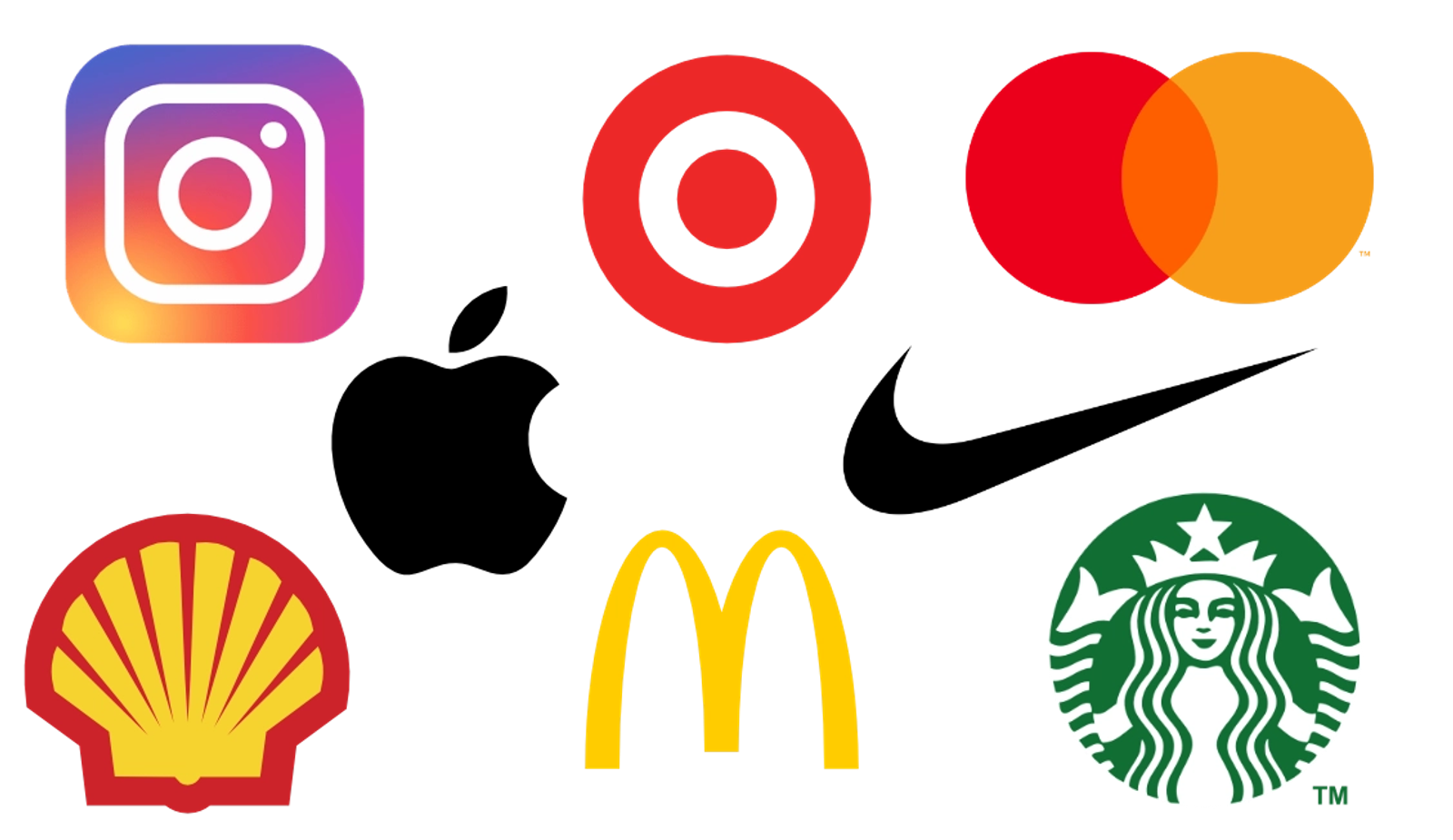
Brand identity is everything a company deliberately creates to shape how it is recognized. It is the part of the brand you control.
Three words get used interchangeably and should not be. Your brand is what people think of you. Branding is the work you do to influence that. Brand identity is the set of assets that work does with: the visual and written signals a stranger meets before they meet you. The difference between brand identity and brand image is simply the difference between what you send and what lands.
For a founder-led firm, this matters more than it does for a large company. Your name is on the door. When a prospect finds you through a referral, a search result, or an AI assistant, the brand identity is what decides whether they take the next step or keep looking.
Why Brand Identity Matters
A clear identity does four things that show up in revenue.
- Brand recognition. People need to see a business several times before they remember it. Every asset that looks the same helps build brand recognition. Every asset that looks different starts the count over.
- Brand trust. Consistency reads as competence. A prospect who sees the same care in your proposal, your website and your invoice assumes the same care in your work, and brand credibility is built almost entirely out of those small agreements.
- Positioning. A strong brand identity can help position your brand as the specific choice rather than the safe one, which is what lets you hold your rate.
- Brand loyalty. Clients who can describe what you stand for refer you accurately. That is how referrals arrive already sold, and it is how brand equity accumulates without an advertising budget.
It comes down to compounding. A consistent brand gets cheaper to market every year. A brand that changes shape every eighteen months keeps paying full price for attention it already earned. A memorable brand is usually a narrow one held for a long time.
The Key Elements of Brand Identity
Brand identity encompasses more than a logo. The elements of a brand identity fall into three groups, and skipping a group is the most common way to end up with a brand identity that looks finished and behaves inconsistently.
Strategy: the decisions underneath
These are not visible, and everything else depends on them. Together they are your brand strategy.
- Brand purpose and brand value. What the business exists to do, and what a client actually gets.
- Positioning. The space you occupy relative to alternatives.
- Brand personality. The handful of traits that describe how you show up. Precise and warm is a different brand from bold and irreverent.
- Audience. Who you are for, described by what they want rather than by industry.
Verbal identity: what you say
- Brand name. The one element you rarely get to change later.
- Tagline. A short line that states the promise, not the category.
- Brand story. Why the business exists, in a form a client can retell.
- Brand voice and tone. The vocabulary, rhythm and register that stay steady from your homepage to your follow-up email.
Visual identity: what people see
- Logo. Design a logo that survives being small, single-color and printed badly.
- Color palette. Two or three colors you own, plus neutrals. Color carries meaning before words do, which is the subject of color psychology in web design.
- Typography. One or two typefaces used with discipline. This choice sets tone faster than almost any other, as we cover in the impact of typography on user experience.
- Imagery and design elements. Photography style, illustration, iconography, layout patterns. These are the details that define a brand and distinguish it at a glance.
- Brand assets. Templates, deck layouts, social frames, document styles.
How to Build a Brand Identity in Five Steps
Developing a brand identity is a sequence. Anything designed before the strategy exists is decoration, and decoration is what gets redone. Creating a strong brand identity is mostly subtraction, because a strong brand identity requires fewer parts than most people expect.
Step 1: Define your brand before you design anything
Write your purpose, your positioning, your personality and your promise in one sentence each. A brand based on one clear idea is easier to design and far easier to remember. Then define your audience by what they are trying to achieve. This document is short and it governs everything after it.
If you want a structured way to test what you already have, our brand audit guide walks through it step by step.
Step 2: Write the words first
Write the brand story, the tagline and the voice guidelines before the visual work starts. Words are cheaper to iterate than design, and they tell the designer what the brand identity must feel like. You cannot create an identity from a moodboard alone.
Give the voice three adjectives and, more usefully, three anti-adjectives. Knowing you are never chummy is more actionable than knowing you are professional.
Step 3: Design the visual identity
Brand identity design starts here: the logo, color palette, typography and imagery. This is where brand design usually begins, and where it often wrongly ends. Judge every option against the strategy rather than against taste. Designing a brand identity is a matter of fit, not preference. The question is whether the design choices signal the level of expertise you sell, not whether you like them on the day.
Build the visual elements of the brand as a system: a logo with its variations, a palette with defined roles, a type scale, and a set of layout patterns. Create brand assets from that system rather than one at a time, so each later brand element inherits the rules instead of inventing them.
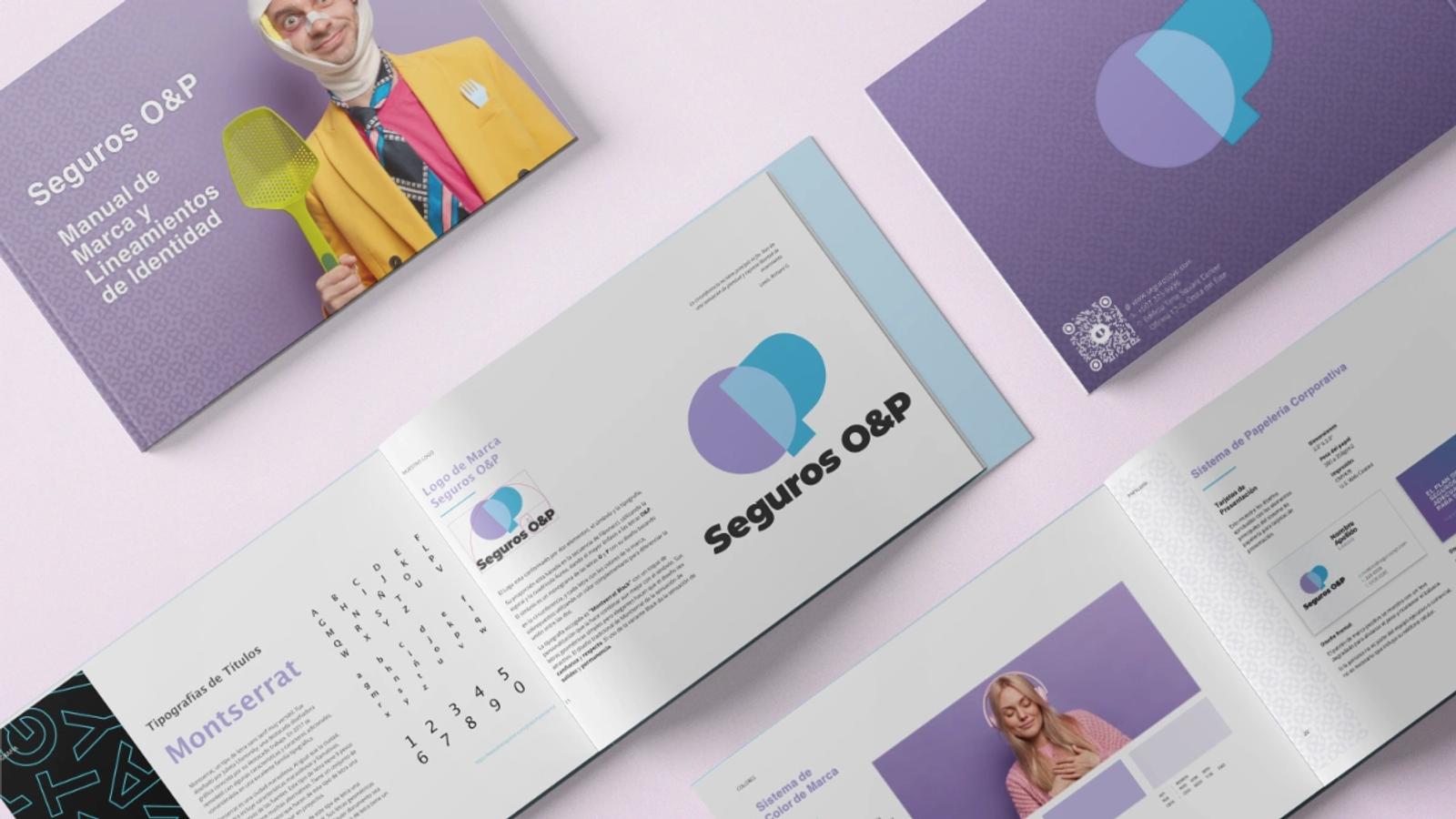
Step 4: Write the brand style guide
This is the document that makes consistency possible when you are not in the room. It records the brand identity elements, the rules for using them, and the mistakes to avoid.
Keep it usable. Ten pages people follow beat sixty pages nobody opens. Your brand guidelines should answer the questions a new contractor will ask in their first week.
Step 5: Roll it out and keep it honest
Apply the identity everywhere at once if you can: website, proposals, decks, email signatures, social profiles, invoices. A partial rollout means the old brand and the new brand compete for the same attention.
Then measure. Track branded search, direct traffic, and how often prospects arrive already knowing what you do. Brand awareness is slow, and the numbers only mean something against a baseline you wrote down at the start. Watch perception of the brand as well as traffic to it.
Brand Identity Examples Worth Studying
The best brand examples are useful for the discipline they show, not for the budget behind them.
Coca-Cola. Coca-Cola's brand identity rests on a script wordmark that has barely changed since the 1880s, one red that the company defends aggressively, a contour bottle recognizable by touch, and a consistent theme of shared moments. The lesson is restraint: the brand has run thousands of campaigns while the core has not moved. It is a great example of a brand whose power comes from what it refuses to change.
Nike. A single mark, one imperative tagline, and a story about the athlete rather than the shoe. The swoosh works because it has been applied the same way for decades, not because it was expensive.
Apple. Product, packaging, retail space and typography all carry one point of view. A compelling brand identity shapes the unboxing experience as much as the advertising, which is why customers describe the overall brand in the same words the company would use.
For a small firm the takeaway is the same in each case. Pick a narrow set of assets, apply them everywhere, and hold them long enough to be remembered. A powerful brand identity works by repetition, not by budget.
Common Mistakes When Building a Brand Identity
- Starting with the logo and reverse-engineering the strategy afterwards.
- Chasing a visual trend, which dates the brand on a schedule.
- Using six colors, which means using none of them.
- Writing brand guidelines nobody can find.
- Refreshing the identity before the market has seen it enough times to recognize it.
- Letting the website drift from the deck, which is the quiet mistake and the most common one. Consistency is the element of your brand that people notice only when it breaks.
Questions About Brand Identity
What is meant by brand identity?
Brand identity is the collection of visible and verbal elements a business creates to be recognized: name, story, voice, logo, color palette, typography and the assets built from them. It is what the company puts out, as distinct from brand image, which is what the audience takes in.
What are the 5 pillars of brand identity?
Most frameworks land on the same five: purpose, positioning, personality, voice and visual identity. The order matters more than the labels. The first three are decisions, and the last two are their expression. A clear brand identity makes every decision after them cheaper.
What is an example of a brand identity?
A complete example includes a name, a tagline, a defined voice, a logo with variations, a color palette with assigned roles, a type system, an image style, and a written guide holding the rules. Anything short of that is a logo with hopeful intentions.
How long does it take to create a brand identity?
For a small expert-led business, four to eight weeks is realistic: one to two weeks defining the brand, one to two weeks on voice and story, two to three weeks on design, and a week to document it. Rushing the first stage is what causes the redo.
Do I need a rebrand or a refresh?
A refresh updates the expression while maintaining its core identity, and suits a business whose positioning still holds. A rebrand changes the underlying decisions, and suits a business whose audience, offer or market has genuinely moved. Most firms that ask for a rebrand need a refresh and a consistent rollout.
Where a Brand Identity Becomes Visible
An identity that lives in a PDF changes nothing. It becomes real on the assets clients actually meet, and on the people who embody the brand day to day. For an expert-led business the website is the first of those and usually the most consequential, which is why brand identity is essential before a redesign rather than after it.
That is the work we do at Dancing Pels through Custom Websites, where the strategy, voice and visual system become a site built to carry them. An effective brand identity earns its cost on the page where clients decide. When the identity is set and the task becomes putting it in front of more of the right people, Growth Marketing is the next step.
If you are weighing a refresh and want a second opinion before committing, book a discovery call and we will look at what you have.