
How to Use AI in Marketing: A Guide for Small Teams.
Julio Arango · 10 min read · Updated August 2026

Most small marketing teams already use AI. They use it to draft a subject line, summarize a call, or clean up a paragraph. What almost none of them have is a decision about where it belongs and where it does not.
That gap is the expensive part. This guide covers what the term actually means, how marketers use AI today, the benefits worth expecting, the challenges that catch people out, and how to introduce it into your marketing strategy without buying a stack of tools you will abandon in a quarter.
What AI in Marketing Actually Means
Artificial intelligence in marketing is a set of technologies that find patterns in data and produce output from them. Four kinds do most of the work.
- Machine learning. Models that learn from historical data to score, sort or predict. This is what sits behind lead scoring and churn prediction.
- Generative AI. Models that produce text, images, audio or video from a prompt. This is the layer most marketers touch daily.
- Natural language processing. Understanding written and spoken language, which powers sentiment analysis, transcription and chatbots.
- Predictive modeling. Using past behavior to forecast the next one, which is how a recommender system decides what to show you and how you spot market trends before they show up in revenue.
The distinction matters when you are buying. A tool that writes social media posts and a tool that predicts which leads will close are not the same category, and they fail in different ways.
How Marketers Use AI Today
Here are the uses that hold up in practice for a small team, whether the work is digital marketing, email or content marketing.
Content creation and editing
Generative AI drafts, edits and reformats. Use AI to create first drafts of ad copy, subject lines, social media posts and outlines, then edit heavily. Content generation is where most teams start, and it is the right place to start. The output is a starting point, and treating it as a finished product is the fastest way to publish work that reads like everyone else's.
The best results come from feeding AI models your own material: past proposals, transcripts of client calls, your brand voice guidelines. A generic brief produces generic AI content.
Personalization
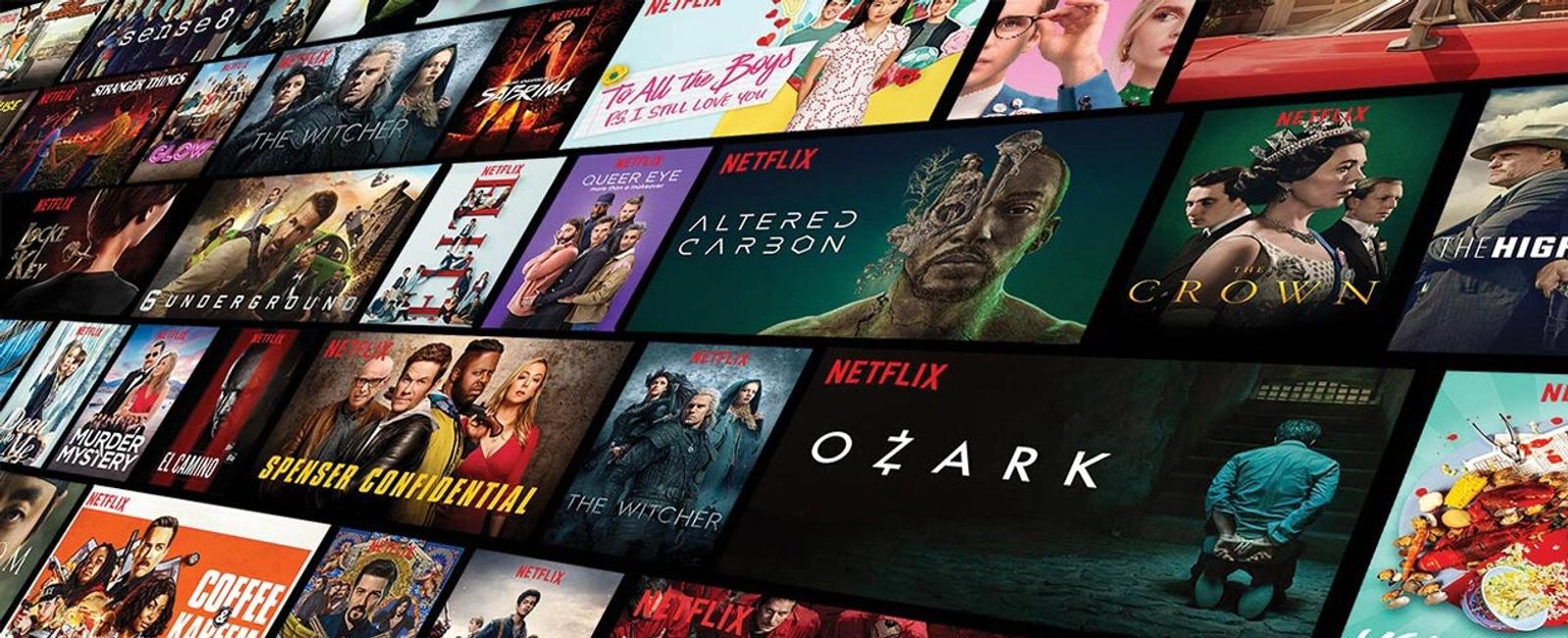
AI personalizes what different people see based on behavior. Netflix built its entire interface on this, matching viewing history to recommendations. For a small business, the practical version is segmented email marketing and website content that changes based on which service someone was reading about.
Scoring and forecasting
Machine learning models rank leads by likelihood to convert, forecast which customers are about to leave, and optimize which channels get the budget by estimating conversion rates in advance. This needs data volume, so it usually pays off later than the content use cases.
Customer interactions
AI-powered chatbots and assistants handle routine questions in real time and pass the rest to a person, which lifts customer engagement at the hours nobody is working. Used well, they answer at 2am and cut response times. Used badly, they trap a serious buyer in a loop, which is why the escape hatch to a human matters more than the bot.
Reporting and insight
AI tools summarize campaign data, flag anomalies and surface customer insights that a weekly dashboard review would miss. This is quietly one of the highest-value uses, because it turns real-time data into data-driven marketing decisions rather than into a report nobody finishes reading.
Search and SEO
AI helps with keyword clustering, competitor analysis and brief generation. AI in digital search is changing the channel itself, since assistants now answer questions that used to produce a click. We cover that shift in how to get your business recommended by ChatGPT.
The Benefits of Using AI in Marketing

- Time. The clearest and most immediate benefit. Tasks that took an afternoon take twenty minutes, and for a marketing team of one or two that is the difference between shipping and not. This is where AI can help before anything else does.
- Volume without headcount. More variants tested in a marketing campaign, more segments served, more produced from the same hours.
- Better customer experience. Faster answers, more relevant recommendations, fewer irrelevant emails.
- Sharper decisions. Data analysis at a scale a person cannot match, which turns instinct into something checkable.
- A competitive advantage while it lasts. Early, careful adoption lets a small team leverage tools that used to need a department. It will stop being an advantage and become table stakes, which is an argument for starting now rather than for panicking.
The benefit that does not appear on that list is creativity. The power of AI lies in producing the average of what already exists, quickly. Being distinct is still a human job, and in a market where everyone has the same tools it is worth more than it was.
Real-World Examples of AI in Marketing
Netflix. Recommendations built on viewing behavior, which shape the interface itself rather than sitting beside it. The lesson is that personalization works best when it is the product, not a feature bolted on.
Amazon. Product recommendations based on browsing and purchase history, still the most commercially proven example anywhere.
Support automation. Large firms route routine inquiries to AI technologies and escalate the rest, freeing specialists for the cases that need them. The same pattern scales down: a small firm can automate scheduling, qualification and follow-up long before it automates anything else.
For an expert-led business the most valuable ones are rarely the flashy ones. They are the ones that remove the administrative work sitting between a lead and a conversation.
How to Implement AI in Your Marketing Strategy
Integrating AI works best as a sequence of small moves rather than one decision about AI for marketing as a whole. Incorporating AI one task at a time is what makes it stick.
- Pick one task that costs you hours. Not the most interesting one, the most repetitive. Meeting notes, first drafts, lead qualification, reporting.
- Run a two-week pilot with one tool. Compare it against how you do the task now. AI adoption fails most often because five marketing solutions arrive at once and none get learned.
- Write down what good looks like. If you cannot describe the standard, you cannot tell whether the output met it.
- Keep a person on the output. Everything that goes public should be read by someone who is accountable for it.
- Measure the hours saved. Then decide whether to expand. Successful AI implementation shows up as time back, not as a longer tool list.
- Write down the rules. What data may go into a tool, what may not, and who signs off. This takes an hour and prevents the problem that costs a client relationship.
The order matters. Businesses that begin with strategy and pilots get compounding value. Businesses that begin by buying platforms get a subscription list.
Challenges of Implementing AI in Marketing
Data privacy. Client information pasted into a public tool has left your control. Decide what is allowed, use business tiers with data protection terms, and document the policy.
Accuracy. Generative models produce confident, wrong statements. Anything factual needs verification, and anything published under your name carries your reputation rather than the model's.
Sameness. When every competitor uses the same tools with the same instructions, the output converges. This is a positioning risk more than a quality risk, and the answer is your own material and your own point of view.
Cost and integration. Subscriptions accumulate quietly. Audit your marketing tools quarterly and cut what nobody opened.
Ethical AI and disclosure. Decide where you will tell people that AI was involved. Being clear about it costs nothing and protects trust.
Skills. The gap is usually judgment rather than technical skill: knowing what to ask for and what to reject. Teams that leverage AI well are the ones that learned to say no to its output. That is trained by use, which is another argument for a small pilot over a large rollout.
Questions About AI in Marketing
How is AI being used in marketing today?
Mostly for content drafting, personalization, customer support, lead scoring and reporting. In small teams the content and admin work dominates, because it pays back immediately and needs no data science. That is where most marketing efforts see a return first.
Will AI replace human marketers?
It replaces tasks, not marketers. Drafting, formatting, summarizing and first-pass analysis are moving to machines. Judgment about positioning, taste, relationships and knowing which idea is worth pursuing are not. Marketing professionals who use AI tools well will replace those who avoid them, which is a different statement.
What is the 30% rule in AI?
There is no single agreed definition, and you should be skeptical of anyone who presents one as settled. People usually mean one of two things: that AI should handle roughly the first 30 percent of a task with a person completing it, or that around 30 percent of routine work in a given role is automatable today. Both are rules of thumb rather than research findings.
What type of AI is used in marketing?
Generative AI for content, machine learning for scoring and prediction, language models for chat and sentiment, and predictive analytics for forecasting. Most commercial AI marketing platforms bundle several of these behind one interface, so AI use in a small team rarely means running four systems.
How does AI personalize customer experiences?
By matching behavior to patterns. It groups people by what they do rather than by what they said on a form, then serves the content, product or message that performed best for that group, which gets closer to real customer needs than a survey does. The quality of the personalization depends entirely on the quality of the data behind it.
What is the future of AI in marketing?
AI is transforming the marketing landscape faster than most teams can absorb, and the advantage is moving from having the tools to knowing what to do with them. As AI assistants answer more questions directly, being the source they cite becomes as important as ranking in search results was.
Where This Fits for an Expert-Led Business
For most small firms the highest-value use of AI is not marketing content at all. It is the operational layer around the client relationship: the follow-up that goes out on time, the scheduling that runs without a person, the intake that arrives organized.
That is what we build at Dancing Pels through AI Systems, designed to save hours and protect relationships rather than to replace judgment. Where the goal is a pipeline that stays active, that work sits alongside Growth Marketing, and both assume a site that can carry the traffic, which is Custom Websites.
If you want to work out which single task is worth automating first, book a discovery call.