How to Build a Personal Brand: Lessons from Chris Do.
Julio Arango · 10 min read · Updated August 2026

Nielsen has found for years that people trust recommendations from someone they know more than any paid channel. That is the whole argument for a personal brand, and it is why an owner with a clear public voice tends to out-earn a business with a bigger advertising budget.
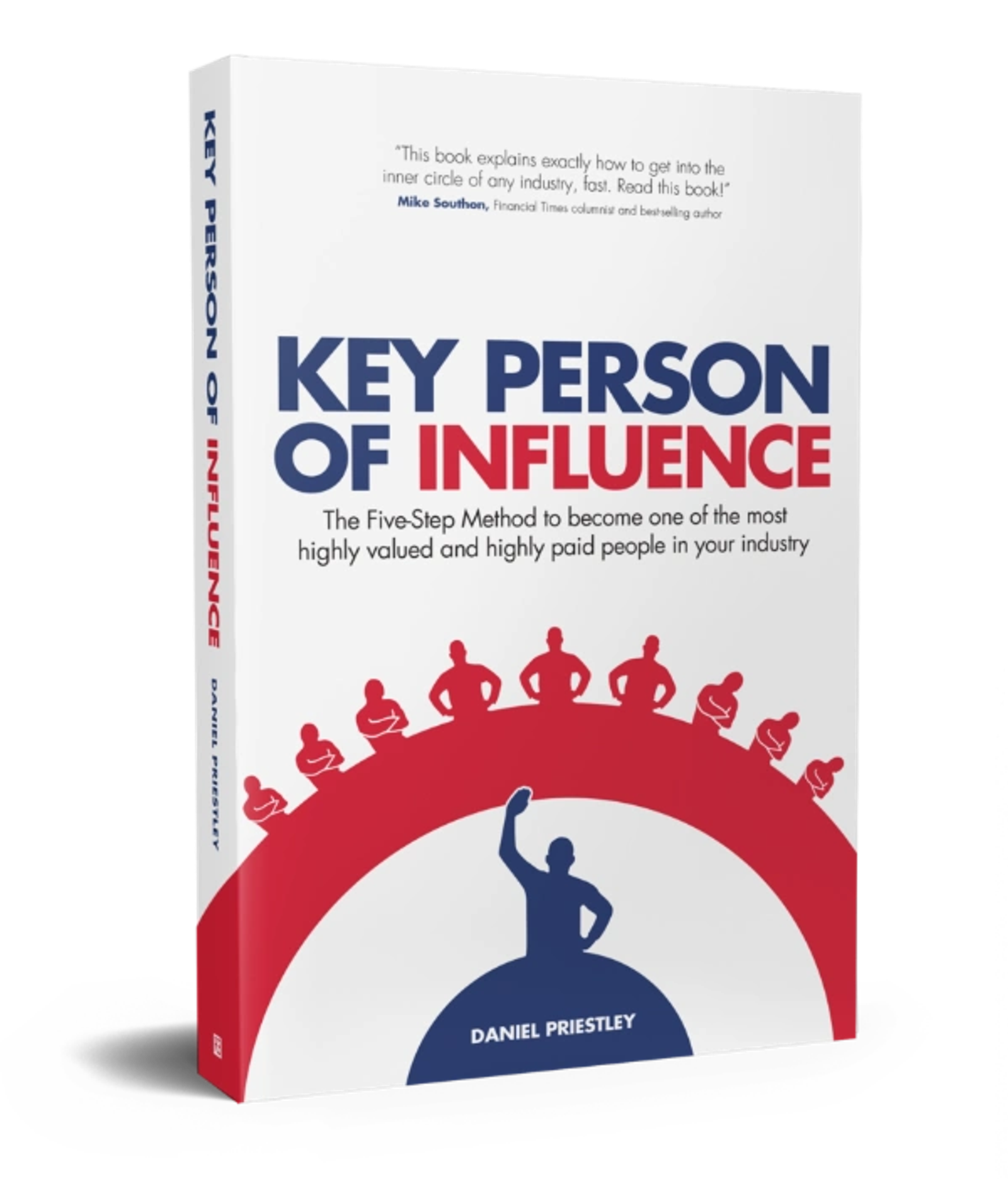
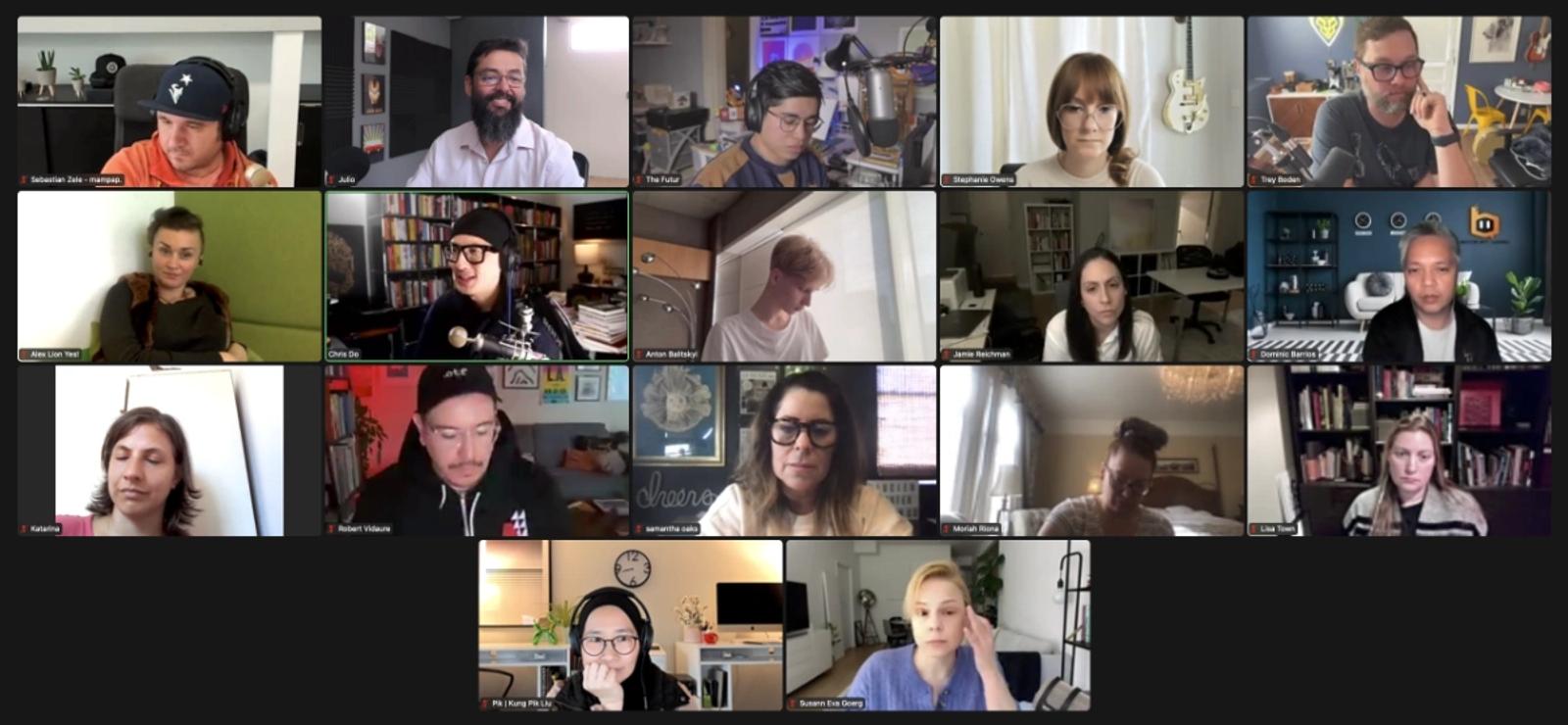
For a year I worked with Chris Do through The Futur Pro Group. Chris is an Emmy award-winning designer, educator and the founder of The Futur, and watching how he operates changed how I think about visibility. This guide combines what I learned there with the five-step method in Daniel Priestley's book "Key Person of Influence." Treat it as a brand strategy for a person rather than a company. It is written for the owner of an expert-led service business, not for an aspiring influencer.
What a Personal Brand Actually Is
A personal brand is the reputation you build on purpose. It is what people say about your work when you are not in the room, shaped by what you consistently publish, say and deliver. Creating a personal brand means shaping how people see you on purpose.
The difference is that it is intentional. Everyone with a career already has a reputation, whether or not they chose it. Developing your personal brand means consciously deciding what you want to be recognized for, then behaving consistently enough that other people perceive the same thing.
Two things it is not worth confusing. Your company brand belongs to the business and survives you leaving. Your personal brand belongs to you and travels with you. In a firm of two to ten people those two overlap heavily, and the owner being visible is usually the bigger lever.
Why It Matters for an Expert-Led Business
- Clients hire people. In professional services the buying decision is a judgment about a person, and being known shortens it.
- It creates a competitive advantage no competitor can copy. Anyone can copy your service page. Nobody can copy fifteen years of your specific opinions.
- It attracts better work. Publish about the problems you want to solve and you will be approached about those problems.
- It helps build trust before the first call. Prospects who have read you for months arrive already convinced, which changes both the length and the price of the conversation.
- It compounds. Everything you publish stays discoverable, and search engines and AI assistants both cite people who have said something specific.
How to Build a Personal Brand in Seven Steps
1. Narrow what you cover
Chris Do works at the intersection of design and business, which is narrower than "design" and far more useful. He teaches creatives how to earn a living from their craft, and that specificity is why his audience found him.
"Find a niche where you can be the best." Marty Neumeier, branding expert and author of "The Brand Gap."
The test is whether the territory is narrow enough for you to excel in and broad enough to matter to a real target audience.
Identify the overlap between what you are unusually good at, what you can talk about indefinitely, and what buyers will pay to have solved. Most owners pick a territory two sizes too big because a narrow one feels like turning away revenue. In practice the narrow one is what makes people recommend you by name.
2. Define what you want to be known for
This is your value proposition in one sentence: who you help, with what, and why you. It has to communicate the whole idea without a follow-up question. Priestley treats a clear pitch as the first step of his method for a reason. Until you can say it in a sentence, nobody can repeat it for you.

Chris's version combines design skill with business skill. That combination is the answer to "why him" and it shows up in everything he publishes.
Write yours down and test it. Say it to three people who have hired you and see whether they can repeat it back a week later. If they cannot, it is not clear enough yet.
3. Tell a story only you could tell
People remember narrative long after they forget a credential. Chris talks openly about arriving as an immigrant and building from there, and that story does more for trust than any award listed on a page.
"Great personal brands are built on great stories. Your story should be authentic and inspire people to believe in your brand." Donald Miller, author of "Building a StoryBrand."
Your story needs three parts: where you started, what you got wrong, and what you now believe because of it. The middle part is the one most people skip, and it is the part that makes the rest credible. Honesty here is not a style, it is just declining to leave out the unflattering half, and it is where credibility comes from.
4. Choose two places and be there consistently
You do not need to be everywhere. Pick the one platform where your buyers actually are, plus one place you own.
For most expert-led businesses that means LinkedIn plus either a newsletter or a show of your own. Instagram works when the craft is visual. What matters is that you can sustain the rhythm for two years, because an account that goes quiet does more damage than one that never started.
Chris publishes across YouTube, social media and The Futur, and the volume is consistent rather than heroic. Consistency of appearance beats intensity every time.
5. Publish original content with a point of view
Sharing other people's writing builds an audience slowly. Publishing your own insight builds a reputation, and it is how you leverage experience you already have.
Write about the decisions you make for clients, the mistakes you see repeatedly, and the opinions you would defend in a room full of peers. Specificity is the whole game: "most service businesses price by the hour and should not" travels further than "pricing is important."
Three formats do most of the work: a short post about one idea, a longer piece that goes deep once a month, and answers to the questions buyers actually ask you. This is the most strategic hour in your week and the first one that gets cancelled.
6. Keep your presence consistent
Your photo, bio, positioning line and visual identity should align across every profile. Someone who finds you on LinkedIn, then your site, then an interview should meet a recognizable person each time.
Your online presence should read as one person across every channel. This is the same discipline covered in our guide to brand consistency, applied to a person rather than a company. Chris is a good example: the tone, the typography and the message hold steady wherever you meet him.
7. Productize what you know
Priestley's point about productizing your knowledge is the step most experts skip. Turning expertise into a course, a workshop, a book or a repeatable engagement does two things: it makes your knowledge purchasable, and it forces you to organize it. It is also the point where a personal brand starts to make money directly rather than indirectly.
Chris built The Futur out of exactly this. For a smaller firm the equivalent might be a paid audit, a diagnostic workshop, or a fixed-scope starter engagement. It gives people a low-risk way to buy from you and it strengthens the reputation while it earns.
How to Get in Front of More People
Owned content compounds slowly. Borrowed audiences accelerate it.
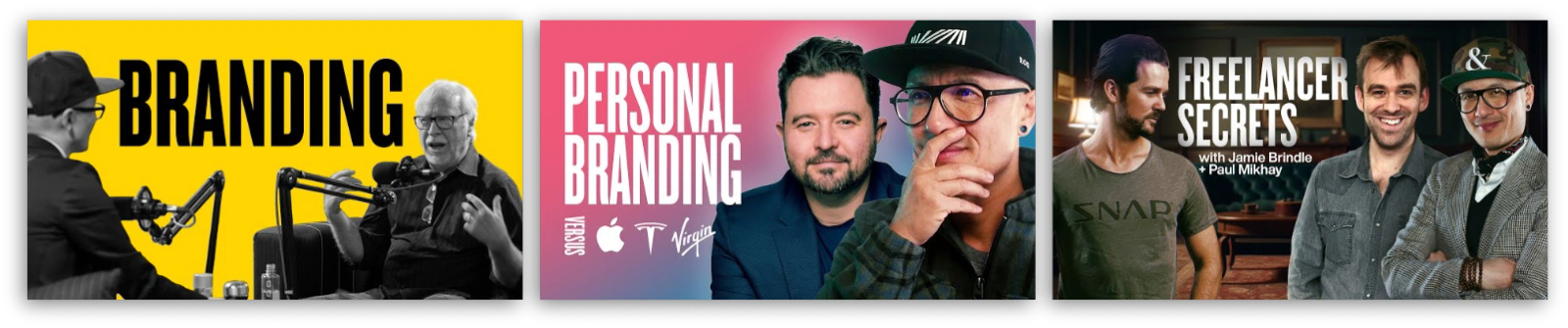
Guest on podcasts in your field. Speak at the events your buyers attend. Collaborate with people whose audience overlaps yours without competing. Chris grew largely through collaboration with other practitioners, and each one introduced him to a room he had not built himself.
Pitch specifically. A host wants an episode, not a guest, so lead with the argument you will make rather than your biography.
Common Mistakes to Avoid
- Posting daily for six weeks and then disappearing for six months.
- Choosing a territory so broad that nobody can describe what you do.
- Copying a creator whose business model is nothing like yours.
- Measuring followers instead of conversations with the right people.
- Publishing only about wins, which reads as marketing rather than experience.
- Letting the personal brand outgrow what the business can deliver.
- Treating it as finished, when the whole point is that it should evolve with your work.
Questions About Personal Branding
What are the 5 A's of personal branding?
The version most often cited is authenticity, authority, audience, amplification and accountability. Frameworks vary by author, so treat the letters as a checklist rather than a law. The useful reading is that you need something true to say, the standing to say it, people who want to hear it, a way to spread it, and the discipline to keep showing up.
What are the 7 pillars of personal branding?
Common lists include purpose, positioning, people, perception, personality, presence and proof. Different sources swap one or two. The sequence matters more than the labels: decide the first three, express the next three, and let the last one accumulate.
What are the five C's of personal branding?
Clarity, consistency, content, connection and confidence. The first one fixes the other four. An entrepreneur who feels stuck on content or confidence is almost always stuck on being clear first.
How much does it cost to build a personal brand?
Time is the real cost. In money, you can start for close to nothing: a decent headshot, a domain, and an email tool. Costs rise when you add production, so budget for a designer, an editor, or a producer only once the rhythm is established. Paying for polish before you have a point of view is the most common way to waste money here.
Is it too late to start?
No. The channels are more crowded and the bar for saying something specific is higher, which favors practitioners with real experience over people producing volume. Building a strong personal brand still takes about two years, and that has not changed. For a small business it remains the cheapest form of marketing available. If you have been doing the work for a decade, you are starting from the strongest position there is.
Where a Personal Brand Needs Somewhere to Land
Being known creates traffic. What that traffic meets decides whether it turns into work.
For an owner-led firm, the site is where a curious reader becomes a prospect. That is the work we do at Dancing Pels through Custom Websites, built so the expertise you are publishing has a credible place to land. Turning the audience into a steady pipeline afterwards is Growth Marketing, and where the follow-up and scheduling around it should run without your attention, AI Systems handles that.
If you are working to build your brand and want the rest of the machine to keep up, book a discovery call.